
2025 Budapest - Hungary
We are grateful to the Eötvös Loránd University Excellence Fund, the NRDIH Scientific Patronage Program, and the ELTE Eötvös Publishing House for their professional and financial support in making this large 3-day international conference happen at the Faculty of Humanities of Eötvös Loránd University in Budapest.
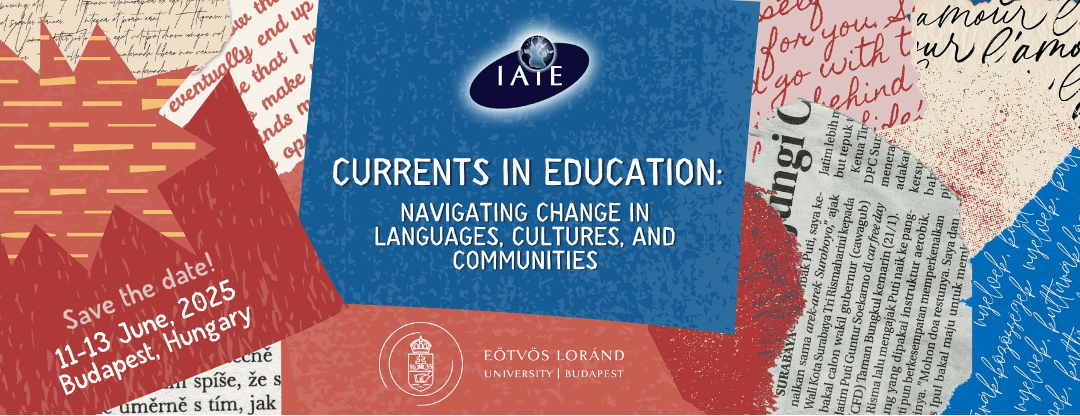
Currents in Education:
Navigating Change in Languages,
Cultures, and Communities
Language learning, multilingualism, translation and intercultural competence are foundational for equitable and inclusive schools and teacher education. Educators must adopt innovative teaching methods to cater to diverse learners, including minorities and disadvantaged students.
Media literacy and technology play pivotal roles in navigating the digital landscape, while addressing global issues like sustainability and peace empowers learners to effect positive change. The conference aims to facilitate collaboration among researchers and practitioners, fostering dialogue on these critical topics to advance equitable and inclusive education worldwide.
Through collaborative inquiry and knowledge exchange, participants will learn about research results and explore innovative approaches to education that promote social justice, democracy, equity, and belonging for all.
Strands
This strand focuses on the role and status of intercultural competence and multilingualism in teaching, teacher education, translation and translator training as well as good practices connected to these fields. It is widely accepted today that we need to develop students’ intercultural competence to help them communicate appropriately and effectively and cooperate with people from diverse social, cultural and linguistic backgrounds to co-create innovative and inclusive shared spaces, teams, and organizations. Many teachers do not have the time, the energy and the resources to develop intercultural competence, while others feel unqualified to develop the necessary attitudes, skills, knowledge and values in their students or might be unprepared for multilingual contexts. Translators and translator training also face challenges relating to multilingualism and linguistic/cultural/epistemic diversity or monoculture, as a result of the dominance of the English language in intercultural communication. The strand welcomes presentations of research results, discussion panels, and workshops on good practices relating to developing intercultural competence and dealing with multilingualism in teaching, teacher education and translator training.
This strand invites presentations and papers focused on aspects of language teaching and learning that involve differentiated instruction strategies catering to learners with varying proficiency levels, learning styles, and cultural backgrounds. Research on the impact of catering for individual learner’s needs reflected in a variety of teaching methods and the development of intercultural competence among language learners is pertinent to this strand. Presentations may explore how language educators can effectively accommodate individual differences among students, including those related to cognitive abilities, socio-economic backgrounds, and linguistic diversity. Furthermore, presentations may delve into strategies for addressing specific learning challenges, such as language learning disabilities, and promoting the inclusion of marginalized or underrepresented student populations in language education settings. Overall, contributions to this strand aim to enhance language education practices to foster inclusive, culturally responsive learning environments.
Navigating between languages and cultures plays a key role in the school environment. In the discourse of intercultural education, approaches that place the issues of power relations at the center of necessary personal, interpersonal, school, and systemic changes have gained significant importance. But for any sort of change to take place the agency of teachers is vital. This strand will address three key issues in the context of teacher education. The concept of critical thinking has gained increasing importance in the last decades, not only as it pertains to the depth of academic knowledge acquisition and its real-life applicability, but also as it manifests in the critical pedagogy of nonviolence discourse through the self-critical development of emotional intelligence. This approach expands the conceptual horizon of critical thinking beyond thinking and emotional awareness by expecting a critical examination of discriminatory and hierarchical power relations and structures at the level of schools, classrooms, interpersonal relationships, and broader social relations, fostering the development of the necessary knowledge, skills, and attitudes.
In the critical discourse of intercultural education, the emphasis on the participatory, emancipatory, and transformative role of education is prominently present. One pioneering venture in this context is the discourse of cooperative learning, which is closely intertwined with constructivist and post-structuralist educational approaches. These approaches aim to provide principles and models for creating structures that can be successfully applied beyond the classroom and school level, in the spaces of social cooperation or even within an entire educational system. In an era of rapid change, it is increasingly pressing to reconsider the function of schools and the role of teachers together, to ensure that inclusive, critical, and cooperative approaches gain ground in the everyday practice of educators entering the field, as well as those already working in pedagogy, and in the school environments they operate. To that end, this strand welcomes both theoretical papers and studies presenting the results of practical investigations, as well as studies describing models, focusing on the development of critical thinking, the broader application of inclusion, or the cooperative paradigm.
This strand invites presentations and papers that delve into the complexities of intersectionality within educational contexts, focusing on how overlapping identities and social categories such as race, ethnicity, gender, class, and migration status influence educational experiences and outcomes. Research exploring the multidimensional nature of inequality and how it impacts marginalized and minority groups within educational settings is central to this strand. Presentations may examine the intersectional challenges faced by students from diverse backgrounds, highlighting how systemic inequities, cultural biases, and discriminatory practices manifest in educational environments. Additionally, contributions could explore innovative pedagogical strategies and institutional policies designed to foster equity and inclusivity, ensuring that educational systems can better serve students from intersecting minority identities. Topics of interest include, but are not limited to, the educational experiences of migrant and refugee students, gender disparities in educational access and achievement, and the role of socioeconomic status in shaping educational opportunities. Furthermore, discussions on how educators and policymakers can address and dismantle structural barriers to education for marginalized groups are highly encouraged. Overall, this strand aims to deepen our understanding of how intersectionality shapes educational experiences and to promote practices that advance equity and social justice within educational institutions. By exploring these critical issues, we seek to contribute to the development of more inclusive, supportive, and responsive educational environments for all students.
In the critical discourse of intercultural education, the emphasis on the participatory, emancipatory, and transformative role of education is prominently present. One pioneering venture in this context is the discourse of cooperative learning, which is closely intertwined with constructivist and post-structuralist educational approaches. These approaches aim to provide principles and models for creating structures that can be successfully applied beyond the classroom and school level, in the spaces of social cooperation or even within an entire educational system. In an era of rapid change, it is increasingly pressing to reconsider the function of schools and the role of teachers together, to ensure that inclusive, critical, and cooperative approaches gain ground in the everyday practice of educators entering the field, as well as those already working in pedagogy, and in the school environments they operate. To that end, this strand welcomes both theoretical papers and studies presenting the results of practical investigations, as well as studies describing models, focusing on the development of critical thinking, the broader application of inclusion, or the cooperative paradigm.
Media literacy education is part of the curriculum as a separate school subject in some countries, as a cross-curricular subject in others, and is less prominently or not at all present in others. Provided teachers develop the necessary competences to include media literacy in their work, effective media literacy education can begin in early childhood. A pedagogy is needed that places emphasis on raising awareness about the media’s influence, media routines, the pervasiveness of misinformation and disinformation, as well as the promotion of critical thinking and analysis of images and texts that appear in the media. Becoming more media literate is critical on today’s media rich landscape, with all its opportunities and threats. Much disinformation, hate speech and cyberbullying targets disadvantaged communities. Hence the importance to enhance access, analyze, evaluate and (co-) create media messages that promote mutual understanding and respect for diversity. We invite colleagues to propose discussion panels, workshops, talks and poster presentations, especially related to empirical research in the field of media literacy.
In the critical discourse of intercultural education, the emphasis on the participatory, emancipatory, and transformative role of education is prominently present. One pioneering venture in this context is the discourse of cooperative learning, which is closely intertwined with constructivist and post-structuralist educational approaches. These approaches aim to provide principles and models for creating structures that can be successfully applied beyond the classroom and school level, in the spaces of social cooperation or even within an entire educational system. In an era of rapid change, it is increasingly pressing to reconsider the function of schools and the role of teachers together, to ensure that inclusive, critical, and cooperative approaches gain ground in the everyday practice of educators entering the field, as well as those already working in pedagogy, and in the school environments they operate. To that end, this strand welcomes both theoretical papers and studies presenting the results of practical investigations, as well as studies describing models, focusing on the development of critical thinking, the broader application of inclusion, or the cooperative paradigm.
Two decades into the 21st century with the global impact of Information and Communication Technology (ICT) on foreign language teaching methodologies and intercultural education and the free access to generative artificial intelligence (GenAI) for the general public, the need emerges to look back and take stock of what was achieved to promote diversity, equity, inclusion, and belonging in education. How can ICT be a useful aid in exploring intercultural communicative competence development and addressing increased diversity in the classroom? How can pedagogically motivated ICT use in education foster positive feelings in a world where intercultural conflicts are increasingly common? What possibilities does ICT provide for enhancing collaboration within learning groups and across different countries? What are the gains and the potential challenges of ICT integration that educators need to be aware of when aiming to offer quality intercultural learning experiences? How did the intensive use of ICT during the Covid-19 pandemic shape intercultural learning? And how can GenAI contribute to improving inclusive and culturally responsive learning environments? These are some of the questions presentations, workshops or poster presentations are invited to address within this strand. Research papers and papers reporting on classroom experience are equally welcome. The ultimate goal is to gain deeper insights into a variety of approaches and practices in today’s intercultural education landscape.
In the critical discourse of intercultural education, the emphasis on the participatory, emancipatory, and transformative role of education is prominently present. One pioneering venture in this context is the discourse of cooperative learning, which is closely intertwined with constructivist and post-structuralist educational approaches. These approaches aim to provide principles and models for creating structures that can be successfully applied beyond the classroom and school level, in the spaces of social cooperation or even within an entire educational system. In an era of rapid change, it is increasingly pressing to reconsider the function of schools and the role of teachers together, to ensure that inclusive, critical, and cooperative approaches gain ground in the everyday practice of educators entering the field, as well as those already working in pedagogy, and in the school environments they operate. To that end, this strand welcomes both theoretical papers and studies presenting the results of practical investigations, as well as studies describing models, focusing on the development of critical thinking, the broader application of inclusion, or the cooperative paradigm.
This strand focuses on the integration of sustainability related global issues into education. As the world faces unprecedented environmental challenges, fostering global competence becomes crucial in promoting awareness and cooperation for sustainable development. The strand will explore how language educators can incorporate these critical themes into their teaching practices, enabling students to understand and address environmental issues through a culturally sensitive lens.
We welcome presentations, discussions, and workshops that address the following: best practices for the successful integration of sustainability themes in diverse educational settings; the role of intercultural communication in addressing specific environmental challenges, fostering global citizenship and environmental awareness among students; the development of intercultural communication skills for environmental advocacy and action; and collaborative projects and initiatives that promote sustainable practices through intercultural dialogue and cooperation.
In the critical discourse of intercultural education, the emphasis on the participatory, emancipatory, and transformative role of education is prominently present. One pioneering venture in this context is the discourse of cooperative learning, which is closely intertwined with constructivist and post-structuralist educational approaches. These approaches aim to provide principles and models for creating structures that can be successfully applied beyond the classroom and school level, in the spaces of social cooperation or even within an entire educational system. In an era of rapid change, it is increasingly pressing to reconsider the function of schools and the role of teachers together, to ensure that inclusive, critical, and cooperative approaches gain ground in the everyday practice of educators entering the field, as well as those already working in pedagogy, and in the school environments they operate. To that end, this strand welcomes both theoretical papers and studies presenting the results of practical investigations, as well as studies describing models, focusing on the development of critical thinking, the broader application of inclusion, or the cooperative paradigm.
“[…] all war is a symptom of man’s failure as a thinking animal […]”
― John Steinbeck, Once There Was A War (1943)
War shows both the need for and the limitations of intercultural education. In the wake of the deadliest military conflict in history, the fledging United Nations declared that “Everyone has the right to education” (Article 26, 1948), but today 57 million children remain out of school. Initiatives such as Sustainable Development Goal 4/Education For All (2015) are morally incontestable but apparently toothless; and while 119 states have endorsed the “Safe Schools Declaration” (2015), several (including Russia, the U.S.A., Israel, and Hungary) have yet to do so. Education has itself become something of a battleground, for example in countries such as Nigeria and Afghanistan (neither of which is currently “at war”), or in states such as Florida and Texas (with “culture wars” conducted via anti-DEI legislation). Karma Nabulsi’s concept of “scholasticide” (2009) is moving into the mainstream.
Building on the recent IAIE conference Children as Peacemakers in Divided Societies: Educational Approaches (October 2023), we welcome proposals for presentations on any aspect of war and education, including best practices for enhancing teachers’ and students’ intercultural competence and fostering psychological rehabilitation and reconciliation, conducting age-appropriate conversations about justice and ethics to promote peacebuilding, the role of criticality in addressing bias and encouraging empathy, practical challenges and ways of overcoming them (e.g. access and assessment), and intercultural education itself as a form of (contestable) “soft power”.
We welcome presentations, discussions, and workshops that address the following: best practices for the successful integration of sustainability themes in diverse educational settings; the role of intercultural communication in addressing specific environmental challenges, fostering global citizenship and environmental awareness among students; the development of intercultural communication skills for environmental advocacy and action; and collaborative projects and initiatives that promote sustainable practices through intercultural dialogue and cooperation.
In the critical discourse of intercultural education, the emphasis on the participatory, emancipatory, and transformative role of education is prominently present. One pioneering venture in this context is the discourse of cooperative learning, which is closely intertwined with constructivist and post-structuralist educational approaches. These approaches aim to provide principles and models for creating structures that can be successfully applied beyond the classroom and school level, in the spaces of social cooperation or even within an entire educational system. In an era of rapid change, it is increasingly pressing to reconsider the function of schools and the role of teachers together, to ensure that inclusive, critical, and cooperative approaches gain ground in the everyday practice of educators entering the field, as well as those already working in pedagogy, and in the school environments they operate. To that end, this strand welcomes both theoretical papers and studies presenting the results of practical investigations, as well as studies describing models, focusing on the development of critical thinking, the broader application of inclusion, or the cooperative paradigm.
This strand invites presentations, papers and workshops that discuss intercultural education through literature and the arts focusing on the possibilities that literary texts and artwork entail. Research investigating intercultural competence development through literature and the arts and how these mediums may contribute to its growth is the main focus of interest in this strand. This strand also welcomes presentations and workshops that reflect on good practices, practical examples and elaborate on how teachers can use literary texts and artwork in their classes to promote an inclusive environment. Overall, we intend to further the discussion on the use of literature and the arts in the classroom and explore various answers to how these mediums can contribute to the creation of more supportive, reflective and responsive educational environments.
Keynote Speakers
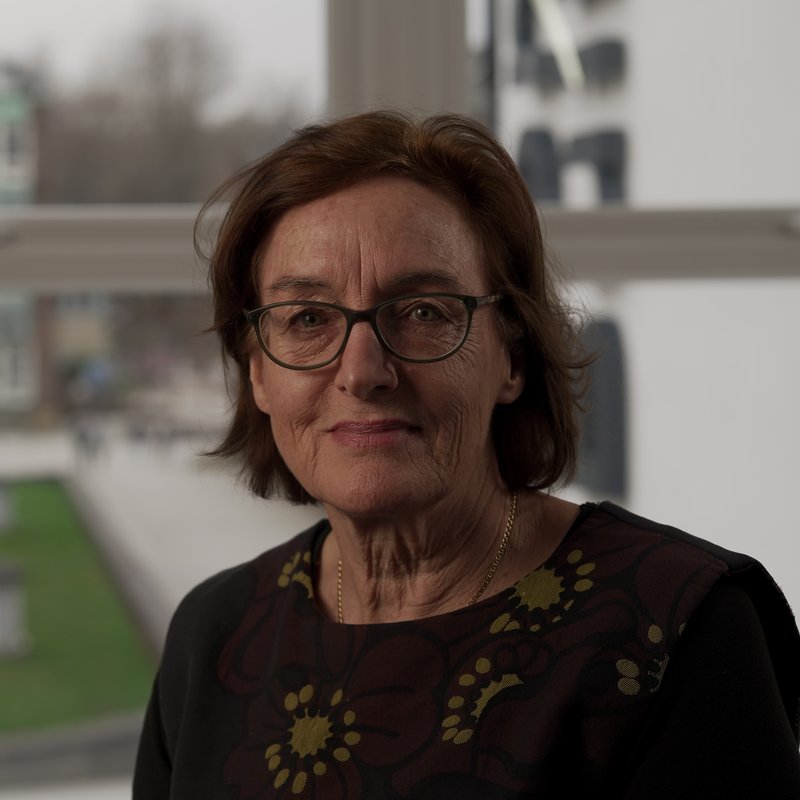
Dr. Prue Holmes
Professor, and former Director of Postgraduate Research in the School of Education, Durham University, United Kingdom Prior to 2010, professor at universities in New Zealand, China, Hong Kong, and Italy
Szilvia Szénási
Teacher, social worker, managing director of the Uccu Roma Informal Educational Foundation, Hungary
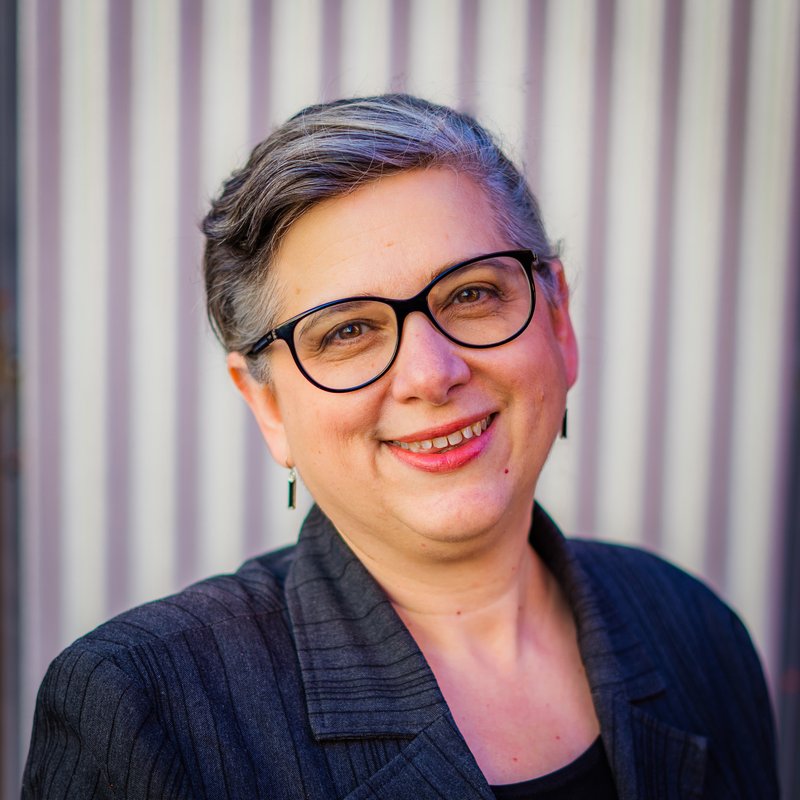
Dr. Darla K. Deardorff
UNESCO Chair on Intercultural Competence, Stellenbosch University, South Africa Research Scholar at the Social Science Research Institute, Duke University, United States
Preliminary schedule of the conference
| 10 June | 11 June
| 12 June
| 13 June | 14 June | |
| Morning | Arrivals
| Opening School visit (optional) Workshops | Keynote 2 Presentations
| Keynote 3 Presentations
| Budapest sightseeing or Szentendre excursion (optional) |
| Afternoon | Budapest sightseeing (optional) | Workshops Workshops | Presentations Presentations Poster presentations | Presentations Presentations Roundtables | |
| Evening | Steering Committee meeting | Welcome address Keynote 1 Reception | Budapest sightseeing / Social program (optional) | Closing Choir Wine tasting (optional) | Departures |